
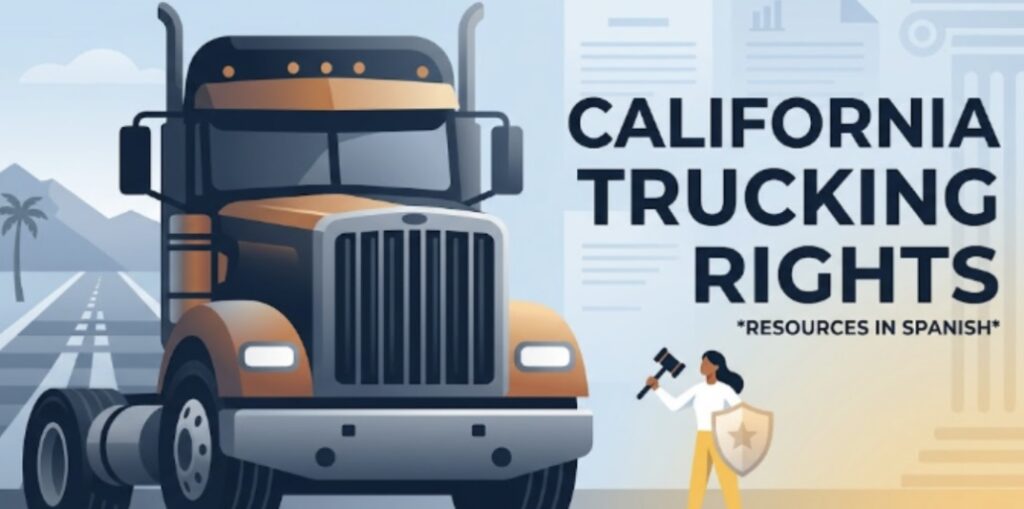
Sharing the road with an 80,000-pound commercial vehicle is a routine part of driving on California highways. However, when a collision occurs, the aftermath is rarely a simple accident between two everyday motorists. Instead, an injured victim suddenly finds themselves facing a multi-million-dollar logistics corporation. These massive entities employ rapid-response teams of investigators, risk adjusters, and defense attorneys who often arrive at the scene of a major crash within hours to protect their bottom line and limit financial exposure.
While this dynamic feels heavily stacked against individual drivers, federal safety regulations and California state statutes provide a distinct path to accountability. Understanding how the legal system levels the playing field is the first step toward securing fair recovery.
Navigating a Complex Regulatory System
Commercial trucking litigation differs significantly from standard automobile insurance claims because the freight industry must adhere to strict safety frameworks. When building a case against a carrier, an attorney looks directly at violations of these specific rules.
Federal Regulations and Technology
The Federal Motor Carrier Safety Administration sets strict operational standards for interstate trucking companies. One of the most critical rules involves Hours of Service, which dictates exactly how many hours a commercial driver can operate a vehicle before taking mandatory rest breaks.
To enforce these rules, modern commercial trucks are equipped with Electronic Logging Devices. These digital black boxes capture essential telemetry data, such as real-time speed, hard braking events, and exact driving durations. When an accident occurs, this electronic data provides objective evidence showing whether driver fatigue or hours-of-service violations caused the crash.
California-Specific Driving Laws
In addition to federal oversight, California enforces unique vehicle codes designed to mitigate risks on highly congested freight routes like Interstate 5, Highway 99, and the corridors surrounding the major shipping ports. For instance, California Vehicle Code Section 22406 caps the maximum speed limit for any commercial truck at 55 miles per hour, regardless of the higher speed limits allowed for passenger vehicles. Proving that a commercial truck exceeded these state-specific speeds or violated lane restrictions provides powerful leverage during settlement negotiations or court trials.
Understanding Liability: Who Pays for the Damage?
Victims of truck accidents often assume that a lawsuit will only target the person behind the wheel. However, commercial claims frequently involve a complex web of corporate entities under the legal doctrine of vicarious liability. This principle establishes that employers are generally responsible for the negligent actions their employees commit while performing their job duties.
An experienced investigation looks past the individual truck driver to examine every company involved in the logistics chain:
● The Trucking Company: If a carrier forced a driver to meet unrealistic delivery deadlines or ignored a history of traffic violations during the hiring process, the company faces direct liability for negligent practices.
● The Cargo Loader: If a third-party logistics company improperly balanced or overloaded a shipping container, causing the trailer to jackknife on a highway curve, the loaders can be held responsible.
● The Maintenance Contractor: If a mechanical failure, such as worn brake pads or defective steering components, triggered the collision, independent maintenance facilities may face legal action for faulty repair work.
Protegiendo a la Comunidad Hispanohablante
El sistema legal de California ofrece protecciones estrictas para todos los residentes, independientemente de su idioma nativo o de su origen. Es común que las grandes compañías de seguros comerciales intenten aprovecharse de las barreras lingüísticas inmediatamente después de un incidente. En ocasiones, envían ajustadores a los hospitales o a los hogares de las víctimas para conseguir que firmen documentos de renuncia a sus derechos redactados exclusivamente en inglés. Contar con un equipo legal que brinde un servicio bilingüe es fundamental para garantizar que la gravedad del trauma físico y las pérdidas financieras se comuniquen con total precisión ante un tribunal.
Muchos ciudadanos hispanohablantes dudan en buscar justicia por temor a que su situación o la de sus familiares afecte el resultado del caso. Sin embargo, el Código de Evidencia de California, Sección 351.2, establece de manera categórica que el estatus migratorio de una persona es completamente inadmisible en una demanda por lesiones personales. Los abogados defensores de las corporaciones tienen estrictamente prohibido usar este tema para intimidar a las víctimas o para intentar reducir la compensación financiera que corresponde por ley. Si usted ha sufrido un percance vial con un vehículo de gran tonelaje, es de vital importancia consultar con abogados de accidentes de camiones que entiendan las leyes locales y defiendan sus derechos en su propio idioma.
Securing Justice and Legal Equality
The sheer size of a logistics corporation and its financial resources can make a legal claim seem overwhelming. However, corporate power does not place these businesses above safety regulations or state laws. When a commercial carrier compromises public safety to protect its profit margins, the civil court system serves as the ultimate equalizer.
Securing proper legal counsel early helps protect physical evidence, preserves digital logbooks before they can be legally overwritten, and insulates victims from aggressive corporate insurance tactics. Most reputable personal injury firms operate on a contingency fee basis and offer free initial consultations, removing financial barriers and allowing families to focus entirely on their physical and emotional recovery.
Leave a Reply