
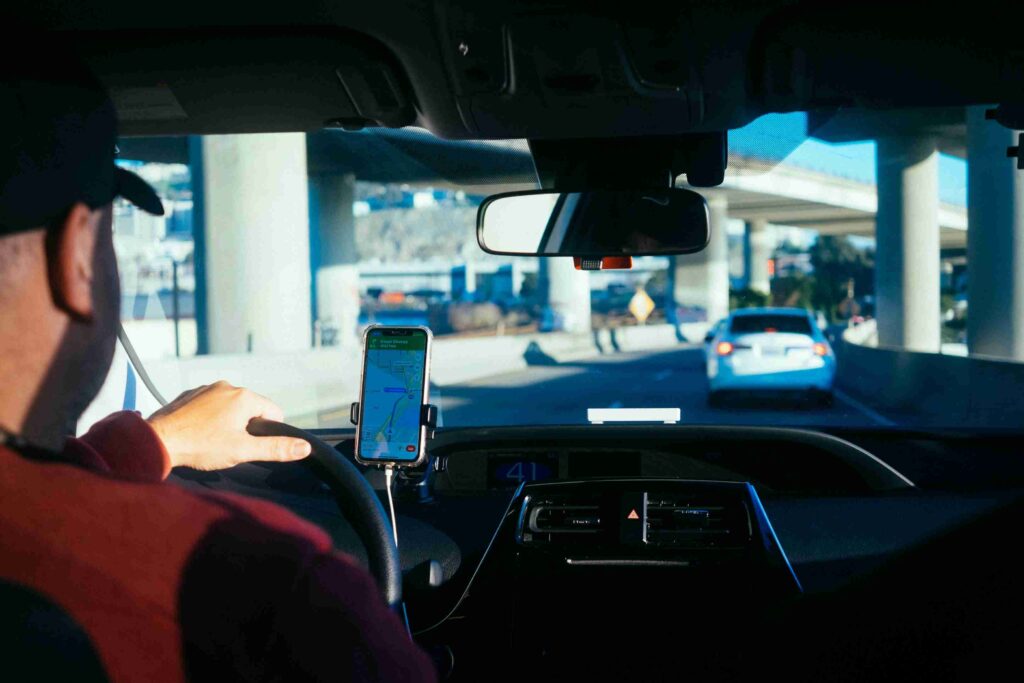
Rideshare services have fundamentally changed how people travel, and they have also reshaped how car accident liability is determined. According to Statista, ride-hailing revenue in the United States has consistently surpassed traditional taxi revenue in recent years. This reflects a major shift in consumer behavior.
This growth shows no signs of slowing, with ride-hailing revenue projected to reach nearly 61 billion U.S. dollars by 2029. Companies like Uber and Lyft now dominate the global rideshare market, with Uber operating in roughly 70 countries worldwide.
As rideshare usage expands, accidents involving these services raise new and complex questions about responsibility, insurance coverage, and legal accountability.
How Rideshare Companies Changed Traditional Accident Liability
Rideshare companies changed accident liability by placing a digital platform between drivers, passengers, and insurers. In standard car accident cases, responsibility is typically handled through the driver’s personal insurance. Rideshare accidents differ because insurance coverage changes based on the driver’s app activity during the collision.
A rideshare driver’s insurance coverage changes based on their app status. Coverage changes depending on whether the driver is off the app, available for requests, or carrying a rider.
The Insurance Information Institute explains that personal auto insurance usually does not cover vehicles used for commercial purposes. This creates coverage gaps unless rideshare-specific insurance applies. As a result, multiple insurers may be involved, making liability determinations slower and more complex than traditional car accident claims.
How a Driver’s Activity Affects Accident Responsibility
In rideshare crashes, responsibility is closely tied to what the driver was doing when the collision occurred. Insurance and liability shift depending on whether the driver was offline, waiting for a request, or actively transporting a passenger. Each stage triggers different insurance policies and responsibility levels.
Driver behavior also remains a major factor in determining fault. According to the National Institutes of Health, human behavior contributes to more than 70 percent of road accidents. These behaviors include distracted driving, reckless driving, fatigue, and driving under the influence.
When combined with app-based driving, these risks make liability evaluations more complex. Insurers must review both driver behavior and rideshare activity status at the time of the incident.
How Crucial is Legal Guidance in Rideshare Accident Claims
Rideshare-related accidents typically present more complex legal challenges than ordinary traffic collisions. Corporate structures, layered insurance policies, and app-based driver status can limit who may be held responsible.
The Guardian reported a case where a New Jersey couple was seriously injured after their Uber driver ran a red light. Despite clear injuries, the couple lost their attempt to take legal action against the company, highlighting how difficult these cases can be.
This complexity is why hiring an attorney for an Uber accident is often critical. Legal guidance helps identify responsible parties and navigate strict deadlines.
According to Freeman Law Firm, personal injury laws typically allow about three years to file a lawsuit after a motor vehicle crash. Missing this window can permanently limit legal options.
Insurance Coverage Layers in Rideshare Accidents
In rideshare accidents, the type of insurance that applies is largely determined by what the driver was doing when the crash occurred. Unlike traditional accidents, coverage shifts based on app status. According to the CleanFleet Report, Uber uses a three-tier insurance system tied to the driver’s period of service.
- If the driver is not using the rideshare app, any accident is handled under their personal insurance policy.
- Once the driver is active on the app but has not accepted a trip, Uber may offer limited backup coverage. This coverage applies only if the driver’s personal insurer refuses the claim.
- Once a driver is en route or carrying a passenger, Uber’s primary one-million-dollar third-party liability policy becomes active.
These layered policies often complicate accident claims and delay compensation decisions.
Passenger and Third-Party Rights After a Rideshare Crash
Rideshare passengers who suffer injuries in a crash are typically entitled to seek recovery for medical expenses and other damages. They are rarely considered at fault, which often simplifies their claims process.
People outside the rideshare vehicle, including pedestrians, cyclists, and other motorists, can also assert their legal rights after a crash. Depending on the fault, their claims may require dealing with more than one insurance provider.
According to Justia, protecting legal rights starts with immediate action. Passengers should seek medical attention and report the accident to the police. Documenting the scene and gathering information is also important. Avoiding detailed statements to insurance adjusters can help prevent complications during the claims process.
Long-Term Legal Implications of Rideshare Expansion
The continued growth of rideshare services is reshaping long-term legal standards around car accident liability. Courts are increasingly asked to interpret how app-based driving fits into existing transportation laws.
As rideshare usage expands, lawmakers may update insurance regulations and liability rules to address coverage gaps. Legal disputes involving corporate responsibility, driver classification, and insurance limits are likely to increase.
Over time, court decisions may create new precedents that affect how responsibility is assigned in rideshare crashes. These changes could influence how victims pursue compensation and how insurers structure coverage.
Frequently Asked Questions
Is it possible for passengers to take legal action against both the driver and the rideshare company?
In some situations, passengers may pursue claims against both parties. This depends on who was at fault and the driver’s activity within the app. It also depends on whether the company’s insurance or legal responsibility is triggered during the incident.
What statements should accident victims be careful about after a rideshare crash?
Victims should refrain from accepting blame, downplaying their injuries, or providing in-depth explanations to insurance representatives. Casual comments can be misinterpreted and used to reduce compensation, so it’s best to limit statements until legal guidance is obtained.
Are pedestrians able to seek compensation if struck by a rideshare vehicle?
Yes, pedestrians can file claims after being hit by a rideshare driver. They may file claims to recover treatment expenses, income losses, and injury-related damages. Coverage is determined by whether the driver was logged out, available for rides, or actively carrying a passenger.
Understanding Liability in a Rideshare-Driven World
Rideshare growth has added convenience to modern transportation, but it has also introduced new layers of legal complexity in car accident cases. Liability now depends on driver status, insurance tiers, and evolving legal standards rather than simple fault alone.
As rideshare services continue to expand, understanding these differences is essential for passengers, drivers, and third parties. Staying informed and acting promptly after an accident can make a meaningful difference in protecting legal rights and navigating the claims process effectively.
Leave a Reply