
How Family Law Can Shape Your Future
Family law lies at the core of personal and societal transformation, shaping everything from household structures to individual rights. Understanding how legal frameworks affect family dynamics helps people make more informed choices about marriage, parenting, and dispute resolution. For individuals facing major life transitions, connecting with a divorce lawyer in Southlake, TX, can be the first step in navigating these complex issues with confidence.
The processes and protections embedded in family law can act as both a shield and a guide during times of uncertainty. Laws continually adapt to evolving definitions of family and relationships, granting protection, recognition, and responsibility in any circumstances. Whether you are starting a family, restructuring one, or wish to understand your rights, a working knowledge of family law can shape your path forward.
By outlining foundational shifts in the field, such as the recognition of diverse family forms and the interplay between technology and mental health, this guide aims to offer clarity amid the legal and emotional complexities modern families face.
Empowering families through knowledge is more crucial than ever, as legal precedents, societal expectations, and emotional needs continue to evolve. For further background, you may want to consult articles in the New York Times Weddings section, which regularly explores contemporary family issues.
Defining Family Structures
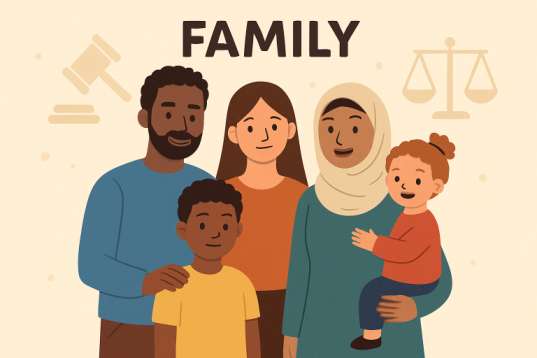
Family law lays the foundation for what society recognizes as a legal family. Historically, statutes focused almost exclusively on heterosexual marriages, yet modern reforms increasingly offer legal recognition to same-sex marriages, domestic partnerships, and blended families. This evolution means that far more people can now find protection under the law, regardless of how they define their households. Courts are more frequently considering the broader reality of how families function, including obligations and benefits for all members.
Promoting Equality in Relationships
One of family law’s vital purposes is to promote fairness and balance within partnerships. Legislatures design laws to guarantee equal treatment of spouses during both marriage and divorce. Divorce proceedings involve fair division of property, ongoing financial support, and frameworks for shared decision-making about children. The law adapts to reflect that both partners contribute to the relationship, financially, emotionally, or otherwise, and accordingly, both are entitled to dignity and respect during disputes and dissolutions. Research from Psychology Today continues to shed light on the practical emotional impacts of these legal principles.
Protecting Children’s Rights
Children hold a unique place in family law, as their welfare is central to nearly every legal proceeding involving parents or guardians. Current family law ensures that rules on custody, visitation, and child support are in place to act in the child’s best interest. These laws strive to keep children safe, supported, and provided for, even during contentious marital separations. The “best interests” standard often guides judges to seek continuity and stability in children’s lives, while facilitating meaningful relationships with both parents wherever possible.
Adapting to Modern Technologies
Technology is changing the landscape of family law, improving both access to justice and the efficiency of legal processes. Courts and attorneys are widely adopting virtual hearing formats, video-based mediation, and secure online document submission, which reduce barriers for families navigating legal disputes. Especially in rural communities, technological advances make it easier for individuals to attend hearings, file paperwork, and connect with qualified professionals without significant travel or expense.
Addressing Mental Health in Family Law
The increasing focus on mental health is reshaping the landscape of family law. Courts, attorneys, and child advocates now recognize that divorce, custody disputes, and parental conflict can have lasting emotional and psychological effects on both children and adults. As a result, many family law proceedings are incorporating counseling, parenting education, and holistic support services to address these impacts. By providing access to mental health resources, the legal system seeks to reduce adversarial tensions, promote cooperative solutions, and help families navigate difficult transitions more thoughtfully. This approach prioritizes emotional well-being alongside legal outcomes, fostering healthier long-term family dynamics.
Legal Protections for Diverse Families
Legislation is catching up to society’s broader acceptance of diverse family structures. Many jurisdictions have revised their definitions of parenthood to include same-sex parents, non-biological caregivers, and other configurations. Laws on surrogacy, assisted reproduction, and adoption are being recalibrated to make sure all families can access rights such as inheritance, health care, and parental authority without discrimination or ambiguity. This ongoing process helps ensure that diverse families are acknowledged and safeguarded within legal systems.
The Rise of Mediation and Alternative Dispute Resolution
Today’s family courts frequently encourage mediation, collaborative law, and similar conflict-resolution methods. Rather than relying solely on litigation, these approaches help parents and partners find mutually tailored solutions to their unique situations. Parenting coordinators and neutral mediators are instrumental in high-conflict cases, guiding parties to create practical agreements regarding parenting time, communication guidelines, and changes to custody arrangements. This trend fosters cooperation and reduces emotional and financial strain on families, while giving individuals greater control over their futures.
Conclusion
Family law continually evolves, reflecting shifts in society and changing individual needs. Staying informed about new legal trends, understanding the protections available under the law, and consulting knowledgeable professionals when necessary empowers people to make thoughtful decisions for themselves and their loved ones. Awareness and proactive planning help families prepare for challenges such as divorce, custody disputes, or guardianship matters. By being educated and strategic, families build resilience, strengthen relationships, and safeguard their rights. Ultimately, informed families are better equipped to navigate life’s legal complexities, adapt to change, and maintain stability in an increasingly dynamic world.
Leave a Reply